Category:

Installment-loan-bad-credit-financial-freedom

Borrowing with Confidence: Bad Credit Installment Loans Unveiled

June 19th, 2023 by

In today’s financial landscape, having bad credit doesn’t necessarily mean you’re locked out of borrowing opportunities. Bad credit installment loans offered by some online lenders provide a lifeline for individuals seeking financial assistance despite their credit history. Unfortunately, many people think that having bad credit means they cannot get a loan. However, this is not entirely true. Installment loans are just one of the options available to people with bad credit who need to get money quickly.

We will delve into the workings of installment loans with bad credit, outline the typical requirements, and walk you through the online loan process.

Understanding Bad Credit Installment Loans

What are Bad Credit Installment Loans?

Bad credit installment loans are a type of loan specifically designed for individuals with poor or low credit scores. These loans provide an opportunity for people with less-than-ideal credit histories to borrow money and repay it over a fixed period through regular installments. Unlike traditional loans that heavily rely on credit scores and credit history, bad credit installment loans focus on other factors such as income, employment stability, and debt-to-income ratio.

How Do Bad Credit Installment Loans Differ from Traditional Loans?

Bad credit installment loans differ from traditional loans in several key ways. These differences primarily stem from the fact that bad credit installment loans are tailored to meet the needs of individuals with less-than-perfect credit histories.

Here’s a breakdown of how bad credit installment loans differ from traditional loans:

  • Credit Requirements: Traditional loans typically have strict credit score requirements, and lenders heavily rely on credit history to assess the borrower’s creditworthiness. In contrast, bad credit installment loans are designed for individuals with poor credit, and lenders take into account other factors such as income, employment stability, and debt-to-income ratio when evaluating loan applications.
  • Accessible to Bad Credit Borrowers: Traditional loans may be difficult to obtain for individuals with bad credit, as banks and traditional lenders often prioritize borrowers with excellent or good credit. Bad credit installment loans, on the other hand, cater specifically to individuals with low credit scores, providing them with an accessible borrowing option.
  • Higher Interest Rates: Due to the increased risk associated with lending to borrowers with bad credit, bad credit installment loans tend to have higher interest rates compared to traditional loans. Lenders mitigate the risk by charging higher interest rates to compensate for the potential default or non-payment. However, with diligent research and comparison, borrowers can still find competitive rates among different lenders.
  • Loan Amounts: Traditional loans, especially larger ones such as mortgages or business loans, may offer higher loan amounts compared to bad credit installment loans. Online bad credit installment loan providers typically smaller loan amounts, depending on the lender requirements, borrower’s income, and other factors. These loans are designed to address immediate financial needs and help borrowers rebuild their credit over time.

Benefits of Bad Credit Installment Loans

The major benefits of bad credit installment loans

  • Access to Funding: The primary advantage of bad credit installment loans is that they provide access to funding for individuals who may otherwise struggle to secure a loan due to their credit history. These loans offer an opportunity to obtain the funds needed to cover various expenses, such as emergency bills, debt consolidation, or unexpected financial obligations.
  • Credit Improvement Potential: Bad credit installment loans can contribute to improving credit scores over time. By consistently making timely payments and meeting the obligations of the loan, borrowers demonstrate responsible financial behavior. This positive repayment history can gradually help rebuild credit and potentially increase credit scores, opening up better borrowing options in the future.

Requirements for Bad Credit Installment Loans

Credit Score Considerations

Credit score considerations play a significant role in the approval process and terms of bad credit installment loans. While bad credit installment loans are designed for individuals with poor credit, lenders still evaluate credit scores to assess the borrower’s creditworthiness and determine loan terms.

Minimum Credit Score Requirements:

Lenders may have minimum credit score requirements that borrowers must meet to qualify for a bad credit installment loan. These requirements vary among lenders, so it’s important to research and find lenders who are willing to work with borrowers in your credit score range.

Income and Employment Requirements

Income and employment requirements are vital considerations for lenders when evaluating applications for bad credit installment loans. These requirements help lenders assess the borrower’s ability to repay the loan and gauge their financial stability. While specific income and employment criteria may vary among lenders, here are common factors to consider:

Minimum Income Threshold

Lenders typically have a minimum income requirement to ensure that borrowers have a steady source of income to cover their loan payments. This requirement helps determine if the borrower has sufficient funds to meet their financial obligations. The minimum income threshold varies among lenders and may depend on factors such as the loan amount and repayment period.

Employment Stability

Lenders often prefer borrowers who have a stable employment history. They may consider factors such as the length of employment with the current employer, job security, and the consistency of income. Demonstrating a stable employment history can instill confidence in lenders regarding the borrower’s ability to maintain regular income and meet loan repayment obligations.

Self-Employment and Alternative Income

If you are self-employed or have alternative sources of income, such as freelancing, rental income, or government benefits, you can still be eligible for a bad credit installment loan. Lenders may request additional documentation to verify your income and assess its stability.

Debt-to-Income Ratio

Lenders also consider your debt-to-income ratio (DTI), which compares your monthly debt obligations to your monthly income. A lower DTI indicates a healthier financial position and increases your chances of loan approval. Lenders may have specific DTI requirements or guidelines that borrowers must meet. It’s important to remember that income and employment requirements can vary among lenders.

Personal-loan-vs-installment-loan

A Comprehensive Guide to Personal Loans and Installment Loans

June 18th, 2023 by

#Personalloan #Installmentloan #getmoney

In today’s fast-paced world, financial emergencies or unexpected expenses can catch us off guard, leaving us in need of immediate funds. Fortunately, personal loans and installment loans are two popular options that can provide the necessary financial relief. Whether you’re looking to consolidate debt, cover medical expenses, or fund a major purchase, understanding the differences and benefits of personal and installment loans can help you make an informed decision. In this post, we’ll explore the world of personal loans and installment loans, highlighting their features, advantages, and how they can help you.

Personal Loans: A Versatile Solution for Various Financial Needs

Personal loans are unsecured loans that can be used for a wide range of purposes. Unlike mortgages or auto loans that are secured by collateral, personal loans are based on your creditworthiness and income.

Here are some key aspects of personal loans:

a. Application Process: Applying for a personal loan usually involves submitting an application, providing documentation of your income and credit history, and undergoing a credit check.

b. Loan Amount and Term: Personal loans typically range from a few hundred to several thousand dollars, with repayment terms ranging from a few months to several years.

c. Interest Rates and Fees: Interest rates for personal loans can vary based on your credit score, but they are generally lower than those of credit cards. Some lenders may charge origination fees or prepayment penalties, so it’s important to review the terms and conditions.

d. Flexibility and Usage: One of the significant advantages of personal loans is their versatility. You can use the funds for debt consolidation, home improvement, wedding expenses, travel, or any other financial need.

Installment Loans: Steady Repayments for Predictable Budgeting

Installment loans give borrowers a lump sum of money upfront, which they can pay back over a fixed period of time through regular fixed payments. These loans are ideal for those who prefer structured repayment plans.

Here’s what you need to know about installment loans:

a. Application Process: The application process for installment loans is similar to that of personal loans, requiring documentation of income and credit checks.

b. Repayment Structure: Installment loans are repaid through a series of fixed monthly payments. This makes budgeting easier, as you know exactly how much you need to pay each month.

c. Interest Rates and Fees: Like personal loans, interest rates for installment loans depend on your credit score and the lender. It’s essential to compare rates and fees to find the best loan option for your financial situation.

d. Longer-Term Commitment: Installment loans often come with longer repayment periods, ranging from a few months to several years.

Benefits of Personal Loans and Installment Loans:

a. Quick Access to Funds: Both personal loans and installment loans can provide fast access to funds, allowing you to cover immediate expenses.

b. Credit Building: Timely repayment of these loans can positively impact your credit score, helping you establish a solid credit history.

c. Lower Interest Rates: Compared to payday loans or credit cards, personal loans and installment loans typically offer lower interest rates, resulting in potential savings over time.

When faced with unexpected expenses or in need of financial assistance, personal loans, and installment loans can be valuable resources. By understanding the differences and benefits of these loan types, you can make an informed decision that aligns with your financial goals and provides the necessary flexibility.

Man-counting-money

Online Personal Loans with Bad Credit: Exploring Your Options

June 18th, 2023 by

#PersonalLoans #BadCreditHistory #FinancialStability

Having bad credit doesn’t mean you have to give up on getting the loan you need. Many of us encounter financial struggles at some point in our lives. It can be an overwhelming experience, especially for those with a bad credit history. However, there is a solution that can provide relief for emergency expenses, paying off credit card debt, and debt consolidation: getting a personal loan.

Online personal loans provide a convenient and accessible financial solution for individuals with less-than-perfect credit scores when they need a loan quickly. We will explore the world of online personal loans for bad credit, discussing the options available, tips for obtaining approval, and strategies for improving your creditworthiness for the future.

Personal Loan Options

Personal loans are a popular form of financing that can be used for a variety of purposes. Here are some common personal loan options:

  1. Traditional Banks: Banks offer personal loans to individuals based on their credit history, income, and other eligibility criteria. They usually provide fixed interest rates and repayment terms.
  2. Credit Unions: Credit unions are member-owned financial cooperatives that offer personal loans to their members. They often provide competitive interest rates and flexible terms.
  3. Online Lenders: Online lending platforms have gained popularity in recent years. They offer personal loans with a streamlined application process, quick approvals, and competitive interest rates.
  4. Peer-to-Peer (P2P) Lending: P2P lending platforms connect borrowers directly with individual lenders. Borrowers can create a loan listing stating the loan amount and purpose, and individual investors can fund the loan in smaller increments.
  5. Payday Alternative Loans (PALs): PALs are short-term loans offered by some credit unions as an alternative to high-cost payday loans. These loans are regulated and have more favorable terms than traditional payday loans.
  6. Credit Card Cash Advances: Some credit cards allow you to borrow cash against your credit limit. However, cash advances usually come with higher interest rates and additional fees, so they should be used as a last resort.

When considering a personal loan, it’s important to compare interest rates, fees, repayment terms, and eligibility requirements. Remember to borrow only what you can afford to repay and to read and understand the terms and conditions of the loan before signing any agreements.

Types of Personal Loan

  • Secured Personal loans require collateral or an asset to reduce the lender’s risk.
  • Unsecured personal loans do not require collateral but may depend on the borrower’s credit score and creditworthiness. Even with a bad credit history, there are options available, although they may come with higher interest rates and stricter requirements.

The only way to know if you qualify for a loan, is to request a loan

Personal Loan Requirements

The specific requirements for personal loans may vary depending on the lender and the type of loan you are applying for. However, here are some basic personal loan requirements commonly requested by lenders:

  1. Age: You must typically be at least 18 years old to apply for a personal loan.
  2. Income: Lenders want to ensure that you have a steady source of income to repay the loan.
  3. Employment: Many lenders prefer borrowers who have stable employment or a consistent source of income. Self-employed individuals may need to provide additional documentation, such as business financial statements or tax returns.
  4. Credit History: Lenders assess your creditworthiness by reviewing your credit history and credit score. A good credit score increases your chances of loan approval and may qualify you for better interest rates. However, some lenders offer loans for individuals with less-than-perfect credit as well.
  5. Debt-to-Income Ratio: Lenders evaluate your debt-to-income ratio, which is the percentage of your monthly income that goes toward paying debts. They want to ensure that you have enough income to handle the loan payments along with your other financial obligations.
  6. Citizenship/Residency: You may be required to provide proof of citizenship, residency, or a valid work visa, depending on the lender’s policies.
  7. Collateral (Secured Loans): If you are applying for a secured personal loan, the lender may require an appraisal or assessment of the collateral.

It’s important to note that these requirements can vary significantly among lenders, so it’s advisable to check with specific lenders or review their websites for their exact criteria. Meeting these basic requirements does not guarantee loan approval, as other factors like the loan amount and your overall financial situation will also be considered.

Personal Loan Approvals

Creditworthiness plays a crucial role in any loan approval. Factors such as credit score and credit history determine default risks, which directly impact approval decisions and interest rates.
Improving your credit score, reducing your debt-to-income ratio, and building a positive credit history can significantly increase the likelihood of loan approvals with any lender. If you have a less than good credit score, you can request a loan on websites that cater to all credit types.

Personal Loan Application

Completing a traditional loan application can be complex and time-consuming. Fortunately, online forms that take less than five minutes to complete and submit.

The application process for a personal loan typically involves the following steps:

  1. Research and Compare: Start by researching different lenders, their interest rates, fees, repayment terms, and eligibility requirements. Compare the options to find the one that best suits your needs.
  2. Submit the Application: Complete the loan application form provided by the lender. This can usually be done online.
  3. Provide Documentation: Submit the required documents to support your application. Online lenders usually ask for documentation after they make an offer.
  4. Loan Review and Approval: The lender will review your application, credit history, income, and other relevant factors. They may contact you for additional information or clarification during this process. If approved, you will receive a loan offer outlining the loan amount, interest rate, repayment terms, and any applicable fees.
  5. Acceptance and Funding: If you’re satisfied with the loan offer, carefully review the terms and conditions, and sign the loan agreement. After signing, the funds will be disbursed to your bank account or provided to you in another agreed-upon manner.

Remember to carefully read and understand the loan agreement before accepting any loan offer. If you have any questions or concerns, don’t hesitate to reach out to the lender for clarification.

Loan Repayment

Having a solid repayment plan is essential before taking out a loan. Failing to meet repayment obligations can lead to more financial hardship. Review your repayment plan to see if it fits your unique financial situation. If you have a loan at a high interest rate, consider loan refinancing. Refinancing can help reduce loan payments and enable you to pay off your debts more efficiently.

Let’s empower each other to overcome financial struggles and achieve financial stability. By sharing these insights, you can help others understand the criteria they need to meet when applying for a personal loan.

The-good-the-bad-personal-loans

Personal Loans: The Good, the Bad, and everything in between

May 31st, 2023 by

What is a personal loan

A personal loan is a type of loan provided by financial institutions, such as a bank or online lenders, to individuals for personal use. Unlike specific-purpose loans (e.g., business loans or mortgages), a personal loan is generally unsecured, which means it does not require collateral such as a house or car.

The primary purpose of a personal loan is to provide borrowers with access to funds that can be used for various personal expenses or financial needs. The borrower receives a lump sum of money upfront and then repays it over a fixed period in regular installments, usually through monthly payments.

Personal loans can be used for a wide range of purposes, including but not limited to:

1. Debt consolidation: Combining multiple debts into a single loan with a lower interest rate, making it easier to manage and potentially reducing overall interest costs.

2. Home improvements: Financing renovations, repairs, or upgrades to your home.

3. Medical expenses: Covering unexpected medical bills or elective procedures not covered by insurance.

4. Education: Paying for tuition, books, or other educational expenses.

5. Wedding or special events: Funding wedding expenses, vacations, or other significant celebrations.

6. Purchase of a vehicle: Buying a car, motorcycle, or other personal transportation.

7. Starting a small business: Obtaining capital for a new venture or covering initial expenses.

8. Emergency situations: Dealing with unexpected financial emergencies, such as car repairs or medical emergencies.

It’s important to note that the terms and conditions of personal loans can vary depending on the lender, including interest rates, repayment periods, and eligibility requirements. The interest rates for personal loans are typically fixed, meaning they remain the same throughout the loan term. Before taking out a personal loan, it’s essential to consider your financial situation, evaluate your ability to repay the loan, and compare offers from different lenders to ensure you’re getting the best terms possible.

Personal loans for bad credit

A bad credit personal loan is a type of loan that caters to individuals with less-than-perfect credit scores. These loans typically carry higher interest rates compared to loans offered to individuals with good credit. However, they can serve as a viable option for those who require quick access to funds and have limited alternatives.

There are several avenues through which one can obtain a personal loan despite credit scores. One option is to apply through their banks or credit unions. Alternatively, online lenders are another avenue worth exploring.

When requesting a personal loan with a lower credit rating, the lender will assess your credit score and income to determine the loan amount and interest rate for which you qualify. Generally, a higher credit score will result in a lower interest rate. Even with bad credit, it may still be possible to get a loan, albeit at a higher interest rate.

Personal loans for bad credit can be advantageous for individuals in urgent need of funds without alternative options. However, it is crucial to fully comprehend the terms before accepting a loan. Familiarize yourself with the interest rate, loan amount, and repayment period. Furthermore, ensure that you can comfortably manage the monthly payments.

Here are some benefits associated with obtaining a personal loan for bad credit:

  • Expedited access to funds when needed.
  • No restrictions on utilizing the funds for various purposes.
  • The potential opportunity to enhance your credit score by making timely payments.

However, It is crucial to consider the following drawbacks before opting for a personal loan with a poor credit score:

  • Potentially higher interest rates compared to loans offered to individuals with good credit.
  • Possible origination fees.
  • Potential late fees in the event of missed payments.

Pros and cons of personal loans 

There are several pros to taking out a personal loan

  • Personal loans can be a convenient way to get the money you need quickly.
  • Personal loans are easy to obtain and available to most credit types.
  • Personal loans are generally unsecured.
  • Personal loans can be used for any purpose without restrictions.

However, there are also some cons to personal loans

  • Personal loans can be expensive, especially if you have bad credit.
  • Personal loans tempt you to overspend, which can lead to financial problems.
  • Personal loans can be difficult to repay if you fall on hard times.

Before you decide whether to take out a personal loan, it’s important to weigh the pros and cons carefully. If you think a personal loan is the right option for you, be sure to shop around and compare offers from different lenders to get the best deal.

When should you consider getting a personal loan?

  • If you need money quickly and don’t have other options.
  • If you want to consolidate debt.
  • If you want to make a major purchase.
  • If you want to fund a home improvement project.

How to compare personal loan offers

  • Look at the interest rate.
  • Look at the loan amount.
  • Look at the repayment period.
  • Look at any fees associated with the loan.
  • Look at the lender’s reputation.

The most effective way for requesting a personal loan

 When applying for a personal loan online, there are a few key steps to follow; 

  • Research and compare different online lenders to find the one that suits your needs. Look for reputable sites with positive customer reviews.
  • Visit the chosen website and navigate to their personal loan page. Fill out the required information accurately and thoroughly. Be prepared to provide details about your personal and financial situation, such as income, employment history, and address.
  • Ensure you have all the necessary documents, such as proof of income, identification documents, and bank statements. 

Once you apply, the lender will review your information and assess your eligibility. If approved, carefully review the loan terms, including the interest rate, repayment period, and all applicable fees. If everything meets your expectations, accept the loan offer.

Benefit of Getting a Payday Loan Online

Benefits of Getting a Payday Loan Online

April 29th, 2023 by

Exploring Online Payday Loans

When facing financial difficulties, it’s important to consider all possible options. Whether you prefer the speed of a physical location or the convenience of an online payday loan, it’s crucial to understand the benefits and the downsides of payday loans. Online payday loans, in particular, offer several advantages that can make a big difference from traditional payday loans when you’re in a difficult situation. We’ll explore the benefits and the costs below.

Diverse Selection of Online Payday Funding Providers

Opting for an online payday loan opens up a world of possibilities in terms of lenders. Instead of being limited to the lenders in your local vicinity, the digital realm allows you to connect with a wide array of lenders and facilitators from various locations. This diversity empowers you to carefully review and select the loan terms, fees, and conditions that best align with your specific requirements.

Effortless and Fast Application Process

One of the standout advantages of online payday loans is the seamless and rapid application process. The online application typically takes less than 5 minutes to complete. Gone are the days of lengthy paperwork and in-person meetings.

Should any additional documents be necessary, the lender’s customer service team will promptly guide you through the process. This combination of efficiency and convenience makes online payday loans an attractive choice.

Timely Financial Solutions

When faced with urgent financial needs, the speed of access to funds becomes paramount. Online payday loans shine in providing a rapid solution compared to traditional bank loans. Whether you’re dealing with medical bills, car repairs, or unforeseen expenses, online payday loans offer quick relief precisely when you need it most.

Exploring the Pros and Cons of Online Payday Loans: Making Informed Financial Choices

Whether you’re considering a traditional brick-and-mortar lender or the convenience of online payday loans, understanding the pros and cons is essential. Let’s delve into the advantages and disadvantages, including average interest rates, to help you make an informed choice.

The Pros of Online Payday Loans

Wide Array of Lenders at Your Disposal: Opting for an online payday loan provides you with access to a diverse selection of lenders beyond your local area. This expanded reach allows you to compare terms, fees, and conditions to find the best match for your needs.

Efficiency and Convenience:

The streamlined online application process is a standout advantage. Completing the application usually takes less than 5 minutes, saving you time and hassle. Additionally, the absence of in-person meetings and extensive paperwork adds to the convenience.

Timely Financial Relief:

Online payday loans are designed for speed. When dealing with urgent expenses like medical bills or unexpected repairs, quick access to funds can provide timely solutions.

The Cons of Online Payday Loans

Higher Interest Rates:

One of the notable drawbacks of payday loans, whether online or offline, is the higher interest rates compared to personal loans. The convenience and speed come at a cost.

Potential for Debt Cycle:

Due to the short repayment period and high-interest rates, some borrowers might find themselves trapped in a cycle of debt, where they continually need to borrow to cover existing loans.

Regulatory Concerns:

The payday loan industry has faced criticism for its practices, leading to increased regulatory scrutiny. Borrowers need to be cautious about lenders that might not adhere to ethical lending practices.

Understanding Average Interest Rates

When considering a payday loan, understanding the average interest rates can provide valuable insight. As of recent data, the average interest rate for payday loans in the US hovers around 391%. It’s important to note that this rate can vary significantly based on state regulations and individual lender policies. While the convenience of quick access to funds is tempting, borrowers should weigh this against the potential high cost of borrowing.

The 18-24 age group shows higher utilization, gradually decreasing with age. Average interest rates have seen a downward trend, reflecting efforts to make payday loans more manageable for borrowers. There is a gradual decline in loan volume since 2017, a trend influenced by increased regulatory scrutiny and shifting borrower preferences.

In conclusion, the advantages of online payday loans are multifaceted, ranging from a diverse lender selection to a swift application process and timely access to funds. As payday loan dynamics continue to evolve, staying well-informed about trends and regulations will empower you to make sound financial decisions.

Money Online

When Getting a Loan Online Makes Sense

September 20th, 2019 by

Online lenders allow you to borrow money quickly and easily by simply completing a request on your phone or computer without leaving the comfort of your house or office. Theoretically, you can take out an online loan for any reason, but you’ll only want to utilize a loan if you’re sure it’ll aid your situation and not worsen it. Online loans can often carry a lower interest rate than credit cards, which can help you consolidate credit card debt or make large purchases. Finding the best online personal loan site requires you to do your homework and know what you need. Here are a few situations that you could benefit from taking out a personal loan online.

Getting Out of Debt

Online loans are perhaps most often used to help people consolidate their existing debt into one account to make the payments more manageable or even improve credit ratings. Interest rates on online loans are sometimes lower than credit card interest rates, so consolidating your high-interest debt can help lower your monthly payments every month. Find the best online loan website or online lender in order to ensure you work with an experienced lender who can help obtain a loan that makes sense for you.

Covering Costly Expenses

Whether you’ve got a wedding on the horizon or want to upgrade your home theater system, you never want to spend money you don’t have. A personal loan can get you the money you need ahead of time with a manageable payment structure so that you’re able to cover large purchases and pay them off over time.

Funding Financial Emergencies

Medical emergencies are often unexpected, which can make the ensuing medical bills just one more thing you have to worry about. An online medical loan can provide you with the money you need promptly, enabling you to focus your attention on the emergency at hand. Being able to pay off your loan over an extended period allows you to take care of financial emergencies with a peace of mind.

If you need a personal loan fast, check out our personal loans page.

Loan Application

3 Good Reasons Why You Should Get a Personal Loan

September 14th, 2019 by

You open up your credit card statement and realize you spent way more than you thought last month. The prospect of paying off your balance is daunting, and the interest rate is way higher than you’re comfortable with. While rummaging through your other mail, you find a medical bill that you didn’t plan for and start wondering how you’ll be able to pay these bills off. Rather than pulling from your savings, one of the best options to deal with this situation is a personal loan online. Here are 3 good reasons why getting a personal loan online may be a good idea.

1. Consolidating Your Debt With A Personal Loan

Debt consolidation is one of the best uses of a personal loan. When a personal loan is used for debt consolidation, multiple debts are paid off leaving you with a single  loan. This enables the borrower to pay back the loan over time with one single payment, which is often simpler and easier. This option can be less costly than the insanely high credit card interest rates that are keeping many families stuck in perpetual debt. Let’s start the debt consolidation.

2. Paying Off Unexpected Expenses With Personal Loans

As we saw in the example at the beginning of this article, one of the most common uses for a personal loan is to pay off an emergency expense. Home repairs, medical bills, and other expenses that need to be paid immediately can be paid for with these loans.

3. Vacations or Getaways With A Personal Loan

It’s safe to say that we all need a break sometimes, so why not finance your vacation? This can be a great option for people who desperately need to get away but don’t have the money available for it right away. Just use the personal loan to fund the vacation now and pay it back later. While certain self-proclaimed finance moguls may frown upon this reason to get a personal loan, by our estimation your mental health is just as important as your physical health and taking a break could spell the difference between a mental breakdown and time to relax. Be calculated with this decision, but don’t disregard it completely if you feel it’s necessary.

Learn the Facts About Personal Loans

As you can see, personal loans have a wide range of uses. Two different types of personal loans offered by most lenders are secured and unsecured loans. A secured loan requires collateral, but the unsecured personal loan, also known as a signature loan, does not is simply granted based on credit score and income.

If you want to learn more about your options, contact the experts at GetMoney.com. Finding the best online personal loans is easier than you think.

Man With Money

An Overview of the Types of Personal Loans

September 11th, 2019 by

As you’re searching for ways to get easy payday loans and personal loans online, you’ll come across different types of loans. While quick payday loans and personal loans might be the best and easiest to qualify for, it wouldn’t hurt to know about some of the various options out there.

Co-Signed Personal Loans

If you don’t have much of a credit history and can find someone who has a good credit history, that person can co-sign for you if you get a loan from a bank. That means that he or she will repay the loan if you can’t, which makes you a lower risk borrower.

Personal Line of Credit

This is actually like having a credit card. You simply borrow from this as you need to rather than all at once and then pay the interest on whatever money you borrow.

Credit Card Cash Advance

Your credit card itself can give you loans through a bank or ATM. You should be aware, though, that the fees and interest rates are usually high.

Personal Loans For Debt Consolidation

If you have borrowed money from one or more sources, this process can combine them all into one payment. This way, you only have to send out one bill instead of keeping track of several and could improve your credit rating. It can get complicated if you have multiple loans going at once, so if possible, you should avoid doing this and only get one loan to start with, like quick payday loans online.

Fixed and Variable Rate Loans

These terms describe whether your loan will have one consistent interest rate throughout the loan period or whether it will fluctuate based on benchmark interest rates. Variable rate loans generally come with lower interest rates, so these are generally better if you’ll be paying back the loan soon before the rate has time to change too drastically.

Secured and Unsecured Personal Loans

Calling something a secured or unsecured loan is a way of saying whether the loan is backed by collateral or not. For instance, getting a loan from a pawnshop is a type of secure loan. If you get quick payday loans, that’s one type of unsecured loan, but you would usually repay this loan on the next payday instead of gradually over time. This is a good idea for a small loan, since it means you won’t be in debt for a long time. If you need a loan like this, contact GetMoney.com today so that they can help you get started.

Personal loan. Calculator, dollar bills and pen.

Repaying Old Loans with a New Loan: A Detailed Analysis

September 7th, 2019 by

Can a new personal loan save you?

Digging yourself out of debt can seem like a daunting task, but luckily, you have a lot of options at your disposal when you try to work your way out of past mistakes. Keep in mind, however, that working yourself out of debt requires some smart decision making. If you misuse the tools at your disposal, you can undo your efforts to improve your situation and make things worse.
So how do you make personal loans work for you instead of against you when you’re trying to pay your old loan? Simple: take advantage of good situations when they arise and take the time to make the right calculations. Here are a few tips to help you do exactly that!

Know Your Interest Rates

Failing to know an interest rate is a common mistake people make when trying to get themselves out of debt. But when you’re dealing with similar sums of money, the interest rate is vital to deciding which loans you should pay off first. If you ignore a larger interest rate, you’ll end up paying more in the long run.
For example, if you have a personal loan of $10,000 at 10 percent interest and another $9,000 loan at 16 percent, you need to payoff the $9,000 loan first and minimize your interest on debt. As a rule, always payoff high interest loans first.

Borrow a Little More

When you take out a new personal loan to repay an old loan, it makes sense to borrow a little extra to make sure you can cover unexpected fees that may be associated with the old loan. Some loans have prepayment penalties and other fees attached to them for early payoff. If you don’t borrow enough to cover them, you’ll find yourself a few dollars short of paying off your old loan. Having to make multiple small payments isn’t an ideal situation, and it’s best practice to avoid it if possible. To see if you can start saving money every month, request a loan today.

Borrow What You Can Repay

Being honest with your finances can help you avoid compounding past mistakes. Make sure that you borrow only what you’re sure you can repay over the course of the loan. You don’t want to keep digging a bigger hole by borrowing more money.

Achieving financial success isn’t something that happens overnight. Using personal loans responsibly can speed up the process. By knowing the facts and being honest with yourself, you can make a loan work for you and help you get out of debt, permanently!

Personal loan

Payday Loans vs Bank Loans: An Insight

August 29th, 2019 by

Payday loans or cash advance loans and bank loans are not the same thing, and it’s important to be aware of their differences. Before you sign anything and agree to accept a loan.

Payday Loans

A payday loan is a short-term high-cost solution for emergency cash. The effective annual percentage rate (APR) of a payday loan can be nearly 400 percent. That’s significantly higher than any personal loan that you could receive from a bank and traditional lending institutions. Typically, a payday loan has to be repaid within weeks through your paychecks.
Payday loans are designed for people that are cash-strapped and need money right away. If you don’t have a credit card or savings account that you can dip into, a payday loan may be your go-to solution, but it’s not the only choice that you have. One possible benefit of a payday loan is that it isn’t credit score sensitive, so it may be easier to qualify for if you have a bad credit rating.

Bank Loans

Many people don’t think of banks as a go to source for small personal loans. Banks take a long time to process a loan and are paperwork intensive. If you have time, personal loans offered through banks are a good option and the interest rates are significantly less than online payday loans. Most short-term personal loans have a fixed interest rate and repayment periods.
To approve you for a personal loan, the bank will check your credit history, and it could impact your credit score. As a rule, any negative affect on your credit score should be quite minimal.

Your interest rates will be largely determined by whether your personal loan is secured or unsecured. Secured personal loans have collateral, so the borrower enjoys a lower interest rate. Unsecured personal loans don’t require collateral. As a result, they have higher interest rates, which commonly range from 5 percent to 36 percent. As you can see, even the rates fluctuate significantly depending on lenders, credit score, and other factors.

Payday loans or merchant cash advances are frequently used for emergency expenses and are offered at smaller loan amounts. You can borrow more money with a personal loan, making it a better option for unpredictable emergency expenses.

If you want more details about personal loans, contact the financial experts at GetMoney.com. There are many installment loans online for bad credit. You should be able to find something that suits your needs.

Build Business Credit with Bad Personal Credit

Build Business Credit with a Bad Personal Credit

August 24th, 2019 by

Business loans for bad credit don’t require excellent personal credit. You can get a business loan with a fico score in the 520 range. Working capital loans, merchant cash advances, and business are about the health of your business, not your credit score.

GetMoney.com work with a number of lenders that specialize in catering to entrepreneurs looking for business loans with bad credit.

Business loans for new business

Fortunately for entrepreneurs, there are alternative business loans available. Alternative business loans fund fast and require minimum documentation. The quick process and little documentation required makes these loans an excellent alternative to business loans from traditional sources.

Minimum requirements for alternative business loans are:

  • At least 6 months in business
  • 3 months bank statements
  • A minimum deposit of $7,500 per month

Although credit decisions and risk assessments for alternative business loans aren’t solely based on the borrower’s credit score, it still plays a major role in establishing a borrower profile. A borrower can have a low credit score, but a strong credit history documented by on-time payments.

Improve your bad credit with a business loan

Instead of continually maxing out your credit cards, consider getting a business line of credit or a quick business loan for bad credit.
The high debt to credit ratio causes your credit score to drop, which makes everything more expensive. A business loan for bad credit will most likely have the same rate as a maxed-out credit card.
The benefits of getting a business loan and keeping your credit card balances low include improved credit scores, qualifying for better business loans, auto loans, and mortgages, which will ultimately put you in a better position.
"stocksnap_g0v362yta5"

Appear as a stronger borrower

#1 improve your credit profile

Minimize your expenditures, this is the simplest start to improving your credit profile. Lenders will look at your overall obligations, and the less they see, the more they like you.
Budget accordingly, put off unnecessary purchases, and pay-off all small debt that shows on your credit report before requesting a business loan. Keep in mind, doing this will improve your credit, but more importantly, it strengthens your profile, which could turn into a lower interest rate business loan. To see what your best course of action is, start a loan with GetMoney.com. Business loans through GetMoney.com have competitive rates and flexible guidelines for loans up to $500,000.

#2 separate yourself from the business

I recommend using a business card for all business-related expenses. Pay business expenses through the business accounts, even if you are taking money from your personal account to pay the bills. Treat it as a loan to the business.
Lenders like responsible borrowers. It might not look like much on paper, but underwriters are usually biased towards borrowers that are organized and responsible.
If you are ready to see what you qualify for, request a no cost, no obligation loan.

Man writing on a budget worksheet

Personal Loans vs. Personal Lines of Credit

August 8th, 2019 by

When you start to consider a loan or a line of credit, you must always weigh all available options before applying. To select the best personal loan or line of credit, you have to know the specifics of each offer.
Both personal loans and personal lines of credit can help in situations where you need to access to quick cash. There are however major differences in the timing and availability of funds.

What is a personal loan?

A personal loan is a fixed sum loan for a fixed period with fixed payments. Unlike specific purpose loans, such as business loans and auto loans, there are no restrictions as to what the proceeds of a personal loan may be used for. For example, personal loans can be applied towards a luxury purchase, emergency bills, or even for consolidating debt.
Personal loans are generally unsecured loans, and the lender has no recourse in case of a default. Thus, personal loans carry a higher interest rate.
The credit requirements for online personal loans are flexible and don’t require perfect credit. All credit types are welcomed.
Personal loans fund in as little as one business day, click here to get started.

What is a personal line of credit?

A personal line of credit is similar to a credit card and sometimes referred to as money on demand. You receive a specified amount of credit that may be used all at once or partially on multiple occasions up to your credit limit.
Your repayment process begins the minute you tap into the line of credit and draw against it. Payments are based on the outstanding balance, and the credit is revolving.
As you pay down the balance, the credit becomes available. These types of loans generally require excellent credit and are offered by traditional lenders and can take weeks to process a loan.

The right choice

For quick access to funds without going through multiple layers of scrutiny, a personal loan is the right choice.
Perfect credit is not required and the process is simple with online personal loans. Request a loan, get approved and the money is directly deposited in your bank account.
The best personal loans online fund in as little as one business day.
If time is not of the essence and you have time to deal with more traditional lenders and are simply looking for the security of knowing you have access to cash in the future, a line of credit may be the right choice for you.

Can I improve my credit score with a personal loan?

Yes, you can improve your credit with an online personal loan in several ways. For example, by consolidating debt into one loan can prove positive for your credit score.
In addition to that, some lenders report to the credit bureaus which will help establish a positive credit history. Click here to get a personal loan today.
With all that said, we strongly advise against getting a loan to simply rebuild your credit. It is much wiser to pay down your existing debt and develop a sustainable financial strategy for budgeting your monthly expenditure.

How can I get a personal loan?

It’s simple.  Click right here and you’ll be directed to the personal loan page where you can request for a personal loan in 3 minutes with no obligations.

Need a loan

How to Avoid Suspicious Lenders When Applying for Loans Online

August 3rd, 2019 by

As the internet continues to grow and dominate our way of life, so do the odds that you get involved with a personal loan scam. There are countless scammers out there who are hoping to capitalize on unsuspecting individuals looking to apply for a loan online. While easily identifying scams can be easier said than done, there are some warning signs that are usually indicative of a phony lender. Learn how to spot suspicious lenders before you get involved in a scam that could end up causing serious damage to you and your credit rating.

Credit Check Is a Must

Often, scammers will advertise that their loan application process doesn’t involve a credit check, hoping to appeal to individuals who have low credit scores. You ought to know that a legitimate lender will always do a credit check before taking approving a loan or taking any further steps beyond the application. Your credit score indicates how responsible of a consumer you are, and will let the lender know if you can be trusted to repay the loan in a timely manner. Don’t fall for advertisements that claim credit checks aren’t required, as it’s most likely a scam.

Sift Out the Spam

If lenders are reaching out to you via phone unsolicited, you shouldn’t pay them much attention. Spammers can send out millions of calls to people all over the world, just waiting for someone to take their bait. Who you work with throughout the loan application process should be up to you, so never respond to calls or emails from so-called lenders unless you recognize the name and know they can be trusted.

Be Wary of Up-Front Fees

A major indicator of whether a lender is legitimate or not, has to do with asking for up-front fees. Almost all legitimate lenders will not ask for any up-front fees, unless you’re applying for a commercial loan or have 3rd party fees that must be paid such as an appraisal on a mortgage loan. Scammers will prey on those who fail to catch on to their scheme and continue to ask for fees without providing any sort of service. If you’re asked to pay a fee up-front for your personal loan, your best bet is to take your business elsewhere. Remember these tips when searching for the best online personal loan.

Ups and Downs of Payday Loans

Pros and Cons of a Payday Loan

July 28th, 2019 by

“I’m short of money and still have two days till payday!”
Sounds familiar, right? We all go through rough patches dealing with everyday expenses in a hectic life.
A payday loan may be an enormous help during financial hardships. So instead of pulling out your hair, consider applying for a payday loan with a fast and easy form that only takes a few minutes to complete at Getmoney.com.

Payday loans (also called a payday advance, salary loan, or a cash advance) is a small short term loan based on your next expected paycheck. Despite the name, a payday loan may be granted regardless of whether repayment is linked to the borrower’s paycheck or not.
Usually, a payday loan is expected to be paid off within a few days, but it could be for up to 30 days. Payday loans are generally favored because they provide access to quick cash without the usual hurdles of a traditional personal loan.

To qualify for a payday loan, the borrower must present his or her payroll and sometimes employment records. With the increasing access to the internet, companies like GetMoney.com are getting more and more focused on their online services. The focus is on enabling borrowers to request a loan in just a few minutes on their mobile phones and desktop PCs.

What are the advantages of a payday loan?

1. FAST AND EASY PROCESS

One of the significant advantages of a payday loan is how quick the process is. There is no background check, usually no credit history review and virtually no paperwork. Just complete the online form, and you may be approved in as quick as a few minutes.

2. FAST FUNDING

After submitting the request, you could have your cash within one working day. No need to stand in long lines and wait a week for the approval process.

3. GOOD CREDIT ISN’T REQUIRED

The single most valuable advantage of a payday loan is that a payday loan may be approved regardless of your financial history.

4. NO COLLATERAL REQUIRED

Contrary to the commonly sought after secured loans, a payday loan won’t put your property in danger if you fail to pay it back in time. Lenders generally ask for a post-dated check to secure their investment.

get_money

A payday loan may seem like the perfect remedy for your financial wounds, but it’s just like every other loan, and it has a few disadvantages that you must weigh before making a decision.

– Higher interest rates

Due to the nature of payday loans plus being unsecured and granted regardless of credit history, the lenders will charge a higher interest rate to justify the risks

– May affect credit

If you fail to pay your debt, the lender may sell your payday debt to a third-party debt collector and report you to a collection agency. The negative report will hurt your credit.

– Not a long-term solution

A payday loan is only a short term solution for emergency situations. Please don’t make irrational financial decisions that will land you in a worse position than your current state.

beautiful-lady-credit-card-personal-loan

Secured & Unsecured Personal Loans

July 16th, 2019 by

What is a secured personal loan

A secured personal loan is a loan that is guaranteed by an asset. The asset is usually collateral whose value determines the loan amount and the terms of the loan (interest rate, fees, amortization period, etc.).
The more common types of secured loans are home loans, home equity lines of credit, and auto loans.
A secured personal loan lender could use anything from personal belongings such as your gold watch to more significant assets such as your house as collateral.
Secured loan lenders are exposed to a much lower default risk than lenders offering unsecured personal loans. If the borrower defaults and or falls behind on a secured loan, the lender will foreclose or repossess the collateral.

What happens if you default on on unsecured loan?

If a borrower of an unsecured loan fails to make payments, the lender will have to take a hit. This explains the higher interest rates and lower loan amounts with unsecured personal loans.

An unsecured personal loan can come in many forms, and it doesn’t have to be in cash in your bank account as offered by the personal loan lenders on Getmoney.com. For example, even your credit card is an unsecured loan.

Different forms of unsecured loans

Unsecured credit cards are offered based on your income, credit history, and employment history. If you don’t or can’t repay your credit card debt, their options are limited. They can report you to the credit agencies and make it more difficult for you to obtain financing in the future. But they don’t knock on your door asking for the sofa or the shoes you purchased.

Another form of an unsecured personal loan is a debt consolidation loan. A lender will review your credit, payment history, and debt to see if a new loan will put you the borrower in a better financial position. If yes, they will offer a debt consolidation loan. The theory behind this is that if a borrower’s overall monthly payments are lowered, the borrower will continue to make good on their obligations.

The major advantages of a debt consolidation loan to the borrower are lower payments and freed-up credit. The freed-up credit and higher available revolving credit generally tends to improve your credit score too.

View of executive leaning back in chair with laptop in background

What Should I Consider Before Applying for a Personal Loan?

July 15th, 2019 by

A personal loan can be a great tool for consolidating multiple small debts into one loan, cash for starting or expanding a business, and for overcoming difficult financial situations. Before requesting a personal loan, you have to consider the following:

1. Do you really need a personal loan?

Think about the reasons you’re requesting a personal loan. If you are getting a new loan to pay off smaller loans, or for an emergency, it could be considered a good idea. But, if you are getting a loan to satisfy a spontaneous urge to buy a new toy, you’d better think twice.
Personal loans are generally good for emergencies, home improvement, auto repair, unexpected bills and sometimes vacations. Before requesting a loan, be sure you can afford the payments to avoid making a bad situation worse.
Once you are ready to request a loan, visit the Getmoney.com personal loans page and get started.

2. Do I have all  the necessary documents?

Online personal loans and unsecured personal loans and payday loans are not document-intensive. We suggest you request a loan on and if the lenders need something, they’ll ask for it.

3. Where should I request the best personal loans online?

Many institutions such as banks, online personal loan lenders, credit unions, etc. offer personal loans.
Banks and traditional lenders offer the best interest rates, but they are time-consuming and document-intensive. Which makes traditional personal loan providers a difficult choice.
Online personal loans are the easiest and least time-consuming option available. We recommend working with an established website that has been around for many years.

How to Get the Low Interest Personal Loan You’re Looking For

How to Get the Low Interest Personal Loan You’re Looking For

July 9th, 2019 by

Most personal loans are unsecured loans. What this means for the lender is that the loan is not guaranteed by any type of collateral, but rather by the borrower’s credit score and promise to repay. For the borrower, this usually equates to a higher interest rate.

Is there a way to get low interest personal loans? Let’s look at some tips for getting the best rates on the best loans for your needs.

CHECK YOUR CREDIT FIRST

Your credit score is one of the most important elements in knowing what your best personal loan options are. Those with a “good” credit score of 690-719 or an ”excellent” score of 720 and above will have the best chance of receiving an unsecured loan. What’s more, these people will typically receive the best interest rates because creditors tend to view these borrowers as a more credit worthy borrower.

For those with a lower credit score, finding a lender to work with you can certainly be done. However, your interest rates are likely to increase due to the lower credit score. If you can wait a while before taking out your personal loan, consider doing what you can to boost your credit. This will pay off in your current and all future borrowing situations.

SHOP AROUND

We shop multiple stores looking for the best prices on our groceries, our home goods and more. Why wouldn’t you shop around for the best rates on personal loans? Check out what several local and national lenders have to offer you before committing to a lender. If you are applying online, apply on a website you can trust and recognize. Make sure the site is secured https:// vs http://

There are several major, national companies who offer personal unsecured loans. If you’re looking for a large chunk of money with no restrictions on usage, this is your best bet. GetMoney.com is an easy to access, user-friendly website that offers applicants without perfect credit the chance to get connected with creditors who can work within their limitations and provide personal loans based on a variety of factors. Credit score does matter, but it’s not the only way things are decided. Request a loan with us today to see what you qualify for. The money is out there; we’ll help you get your hands on it!

The basics of Personal Loan

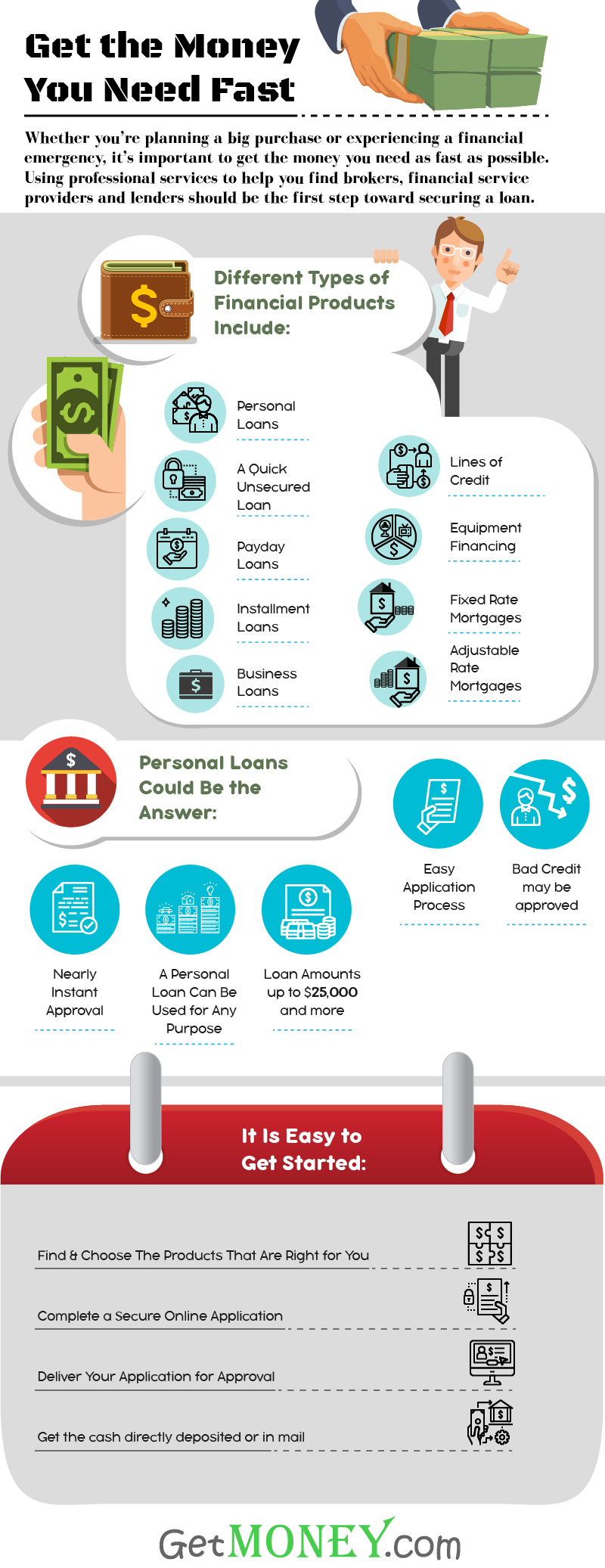
Get the Money You Need Fast

July 1st, 2019 by

Whether you’re planning a big purchase or experiencing a financial emergency, it’s important to get the money you need as fast as possible. Using professional services to help you find brokers, financial service providers and lenders should be the first step toward securing a loan.

DIFFERENT TYPES OF FINANCIAL PRODUCTS INCLUDE:

  • Personal Loans
  • A Quick Unsecured Loan
  • Payday Loans
  • Installment Loans
  • Business Loans
  • Lines of Credit
  • Equipment Financing
  • Fixed Rate Mortgages
  • Adjustable Rate Mortgages

PERSONAL LOANS COULD BE THE ANSWER:

  • Easy Application Process
  • Bad Credit may be approved
  • Nearly Instant Approval
  • A Personal Loan Can Be Used for Any Purpose
  • Loan Amounts up to $25,000 and more

REQUESTING A LOAN IS EASY:

  • Find & Choose The Loan That Is Right for You
  • Complete a Secure Online Form
  • Deliver Your Form With 1 Click
  • Approved Borrowers Will Receive Cash In As Little As 1 Working Day
Understanding Payday Loans

Understanding Payday Loans and Cash Advance Loans in 2019

July 1st, 2019 by

Payday loans and Cash advance loans provide fast cash for emergency situations.

What is a payday loans

Also known as cash advance loans are small loans based on the borrowers next paycheck. The loans can range anywhere from $100 to $1000.
Payday loans are highly regulated, and each state has its unique guidelines and requirements for maximum fees, rates, and loan amounts. Because of the cost usually associated with payday loans, some states have completely banned payday loans and made it illegal for any lender to advertise and or offer these loans.

Qualifying for payday loans and cash advances

Because payday loans are offered based on the next paycheck, the qualification guidelines are much simpler than traditional loans.
Cash advance loans and payday loans are viewed as low-risk loans by most people. However, there are risks associated with these loans that will affect your qualification.
A lender has to analyze credit history, occupation, outstanding payday loans, bad checks, and wage garnishments to determine qualification.

General Requirements

Payday loan lenders and cash advance providers are not credit score sensitive. All lenders require the borrower to be 18 years old with an active bank account, a pay stub, proof of employment, and a state or government-issued ID.

Things to Consider

Payday loans are a costly method of acquiring financing. Thus, before committing to a payday loan, make sure the expense for which you are securing funding for is urgent.
A payday loan or a merchant cash advance should be one of the last options to consider. Credit cards often have special promotional rates, which is a much more attractive alternative.
A personal loan can also be considered as an option. Be sure to review the interest rate and terms of the payday loan you are offered with the lender to make sure it’s the right choice for you.

How much does a payday loan cost

Payday loans and cash advance loans are considered high-cost loans. It’s not necessarily because of the interest rates they charge.
Instead, it could have a lot to do with the fees associated with these loans. For example, if you get a $200 payday loan, and they charge you a $50 processing fee, you are paying 25% just for processing. And that’s over a very short time; till your next payday.

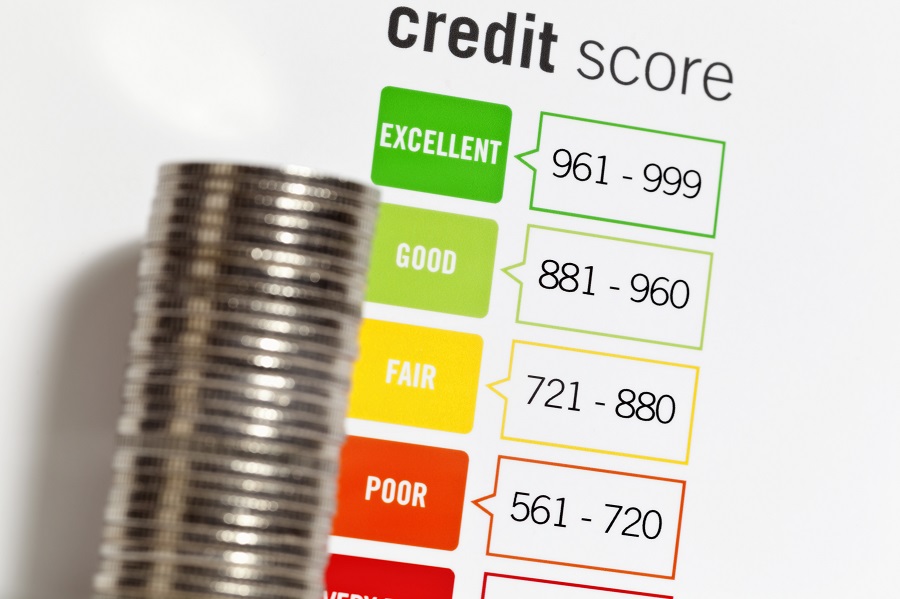
Credit Score expressed by a chart that uses a numerical formula based on an analysis of an individual’s credit files to assess the creditworthiness of that person from Very Poor to Excellent. Protecting your credit score is important and not doing so will make it difficult or more expensive to borrow money.

Learning the Credit Score You Need for a Personal Loan

April 29th, 2019 by

For many who live paycheck to paycheck and struggle to pay their bills and past debts, taking out a personal loan is an ideal solution to remedy some of their financial woes. However, getting a loan involves a little more than just filling out a form and asking a lender for cash. In addition to other factors, the chances of your approval are dependent on your credit score. Keep reading to learn more about obtaining a personal loan and the credit score you need to do so.

Qualifying for a Personal Loan

Personal loans are offered by banks, credit unions, online lenders and peer-to-peer platforms. Each type has its own set of requirements, interest rates and loan terms. However, all lenders want to be assured that you will be able to pay back the money after borrowing it. This is the main point of the application. You can show your reliability by providing a reasonable credit score and proof of income. With a low credit score, you may be faced with paying a higher interest rate or risk not getting approved at all.

Understanding Your Credit Score

All lenders will review your credit score and credit history when looking over your personal loan application. Every lender has a minimum set of credit requirements, but if you have a low score, you may find it difficult to obtain a personal loan. Scores range from 300 to 850, where a higher number is preferable. Here’s how lenders usually view each score.

  • 300-559 (no or poor credit): Scores in this range usually indicate a damaged credit history caused by defaulted loans or bankruptcy. Applicants with scores in this range are riskier, so loan approvals if approved are offered at a higher-interest rate.
  • 580-669 (fair credit): This range also indicates some past issues with credit history, usually caused by loan defaults or late payments. You will still be able to find a personal loan, but the interest rate will likely be on the high side.
  • 640-739 (good credit): If your score is in this range, you will be able to obtain a personal loan with a decent interest rate.
  • 740-799 (very good credit): Scores in this range can open you up to your choice of lenders and qualify you for favorable interest rates.
  • 800-850 (excellent credit): With excellent credit, you will have your pick of loans to choose from. You’ll also qualify for low-interest rates and be able to borrow larger amounts of money.

Other Factors Lenders Consider

Though your credit score is important, lenders look at a few other factors to get a better idea of your overall financial situation. If you excel in one of these other criteria, a lender may be willing to overlook a low credit score. Lenders will review your income, current debt, repayment history, and any collateral you have to offer.

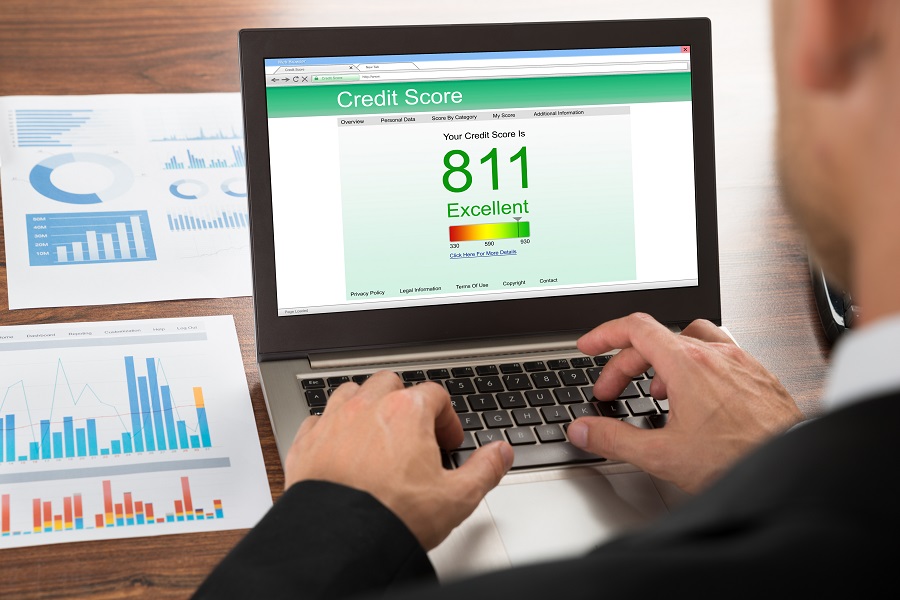
Businessman Checking Credit Score

How to Get a Personal Loan with Bad Credit

If you have a low credit score, it can seem like the odds are stacked against you. Though you will have a harder time qualifying for a personal loan, it’s not completely impossible. Start your search online to find the best personal loans for bad credit. Compare rates and terms from a few different online lenders so you can find the best one for you.

To learn more about getting a personal loan with bad credit, visit us at GetMoney.com.