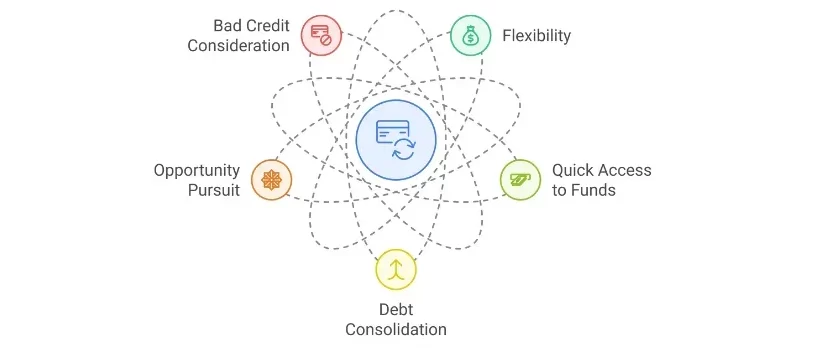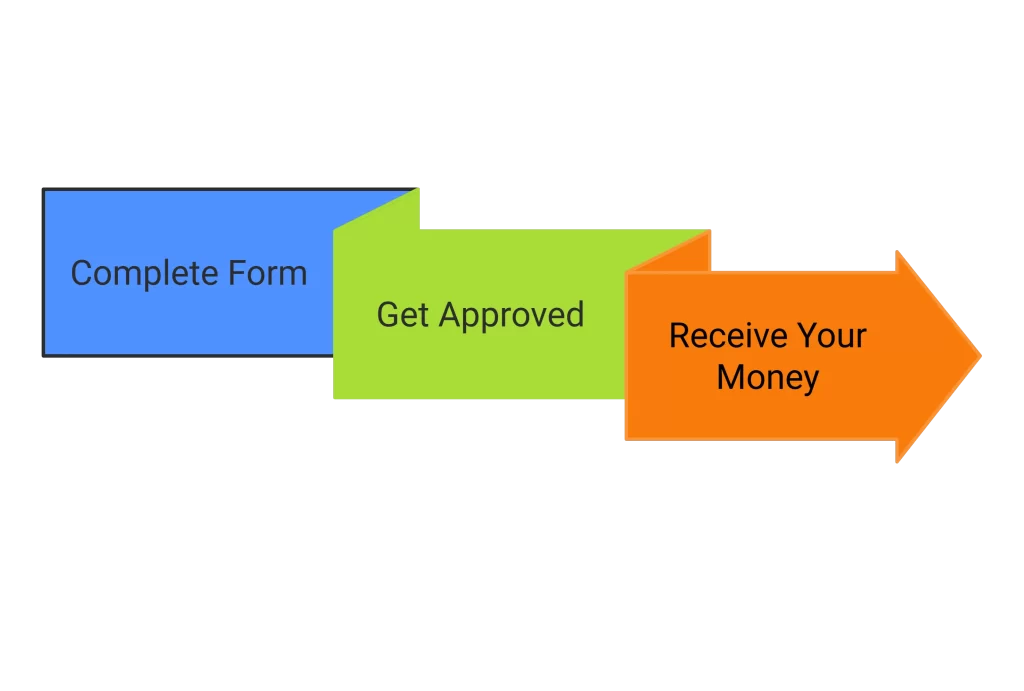

Struggling with bad credit? You can still qualify for a personal loan through online lenders, credit unions, or with a co-signer. Get qualified in minutes and receive funds within 24 hours—even with poor credit
GetMoney.com works with lenders and lending partners that serve borrowers of all credit types for personal loans, payday loans, installment loans, business loans, and working capital loans. We don’t charge fees for loan requests, and you’re never obligated to accept a loan offer.
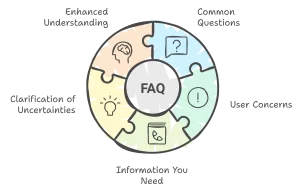
Frequently Asked Questions About Getting a Loan With Bad Credit
How fast can I get a personal loan with bad credit?
Many online lenders offer same-day or next-day funding once approved. At GetMoney.com, some partners fund loans within 24 hours after approval.
What’s the easiest loan to get with bad credit?
Payday loans and secured personal loans are usually the easiest to qualify for, but they can be expensive. If possible, compare installment loan options to find lower rates and better repayment terms..
Can I get a personal loan with a 550 credit score?
Yes, some online lenders and credit unions accept borrowers with scores as low as 550, though interest rates may be higher.
How fast can I get a personal loan with bad credit?
Payday loans and online personal loans are usually the easiest to qualify for, but they can be expensive.
Bad credit doesn’t have to stop you from getting the financing you need. While it’s true that a low credit score makes borrowing more challenging, there are legitimate options available that don’t require perfect credit. Whether you need funds for an emergency, debt consolidation, or a major purchase, understanding your options can help you find a solution that works for your situation.
The key is knowing where to look and how to position yourself as a responsible borrower, even with past credit issues.
Understanding How Bad Credit Affects Your Loan Options
When you have bad credit, traditional lenders view you as a high-risk borrower. Banks and credit unions typically have strict credit requirements and rely heavily on credit scores to determine both eligibility and interest rates. A low score signals to lenders that you’ve had trouble managing credit in the past, which makes them hesitant to approve your application.
Your credit score directly impacts the interest rate you’ll receive. Borrowers with poor credit often pay significantly higher rates than those with good or excellent credit. While this might seem unfair, lenders use higher rates to offset the increased risk of default.

Before applying for any loan, get a current copy of your credit report. You can access free reports from annualcreditreport.com or through your credit card provider. Review the report carefully for errors—closed accounts showing as active, incorrect debt amounts, or inaccurate payment history can all drag down your score unnecessarily.
If you spot mistakes, contact both the lender and the credit bureaus immediately to dispute them. Correcting even small errors can boost your score and improve your chances of approval.
Common Credit Mistakes to Avoid
Certain behaviors consistently damage credit scores. Avoid these pitfalls:
Making late payments. Even one 30-day late payment can hurt your score, and multiple late payments cause serious damage. Payment history accounts for about 35% of your credit score, making it the most important factor.
Carrying high balances. When you only make minimum payments instead of paying down your balance, your credit utilization ratio stays high. High utilization signals financial stress to lenders and lowers your score. Aim to keep balances below 30% of your credit limit.
Ignoring other bills. In today’s connected financial ecosystem, more accounts report to credit bureaus than ever before. Utility bills, medical bills, and even some subscription services can end up on your credit report if they go to collections.
If you’ve already made these mistakes, don’t panic. You can still qualify for a loan, especially if the funds will improve your financial situation. Here are five realistic ways to get approved despite bad credit.
1. Apply to Credit Unions
Credit unions operate differently than traditional banks. Instead of answering to profit-seeking shareholders, they’re owned by their members. This structure gives them more flexibility in lending decisions.
A credit union affiliated with your employer or local community may be willing to look beyond your credit score. They often consider your overall character, employment stability, and ability to repay the loan. Some credit unions offer credit-builder loans specifically designed to help members improve their credit while borrowing.
If you’re considering different types of installment loans, credit unions can be an excellent starting point.
The application process at credit unions tends to be more personal. You’ll likely speak with a loan officer who can explain your options and work with you to find a solution. Membership requirements vary, but many credit unions have broad eligibility criteria.
2. Reach Out to Family and Friends
Borrowing from people you know should be approached carefully, but it can work if handled properly. The key is treating it like a real loan—because it is.
Only consider this option if you’re absolutely certain you can repay the money and if the loan will genuinely improve your financial situation. Think of it as a bridge loan to help you get back on stable ground.
If you go this route, create a written agreement that includes the loan amount, interest rate (even if it’s 0%), payment schedule, and consequences for missed payments. This protects both parties and prevents misunderstandings that could damage your relationship.
Be upfront about why you need the money and how you plan to repay it. Show them your budget and repayment plan. This transparency builds trust and demonstrates that you’re taking the loan seriously.
3. Get a Co-Signer
A co-signer with good credit can dramatically improve your loan options. When someone co-signs your loan, they’re essentially vouching for you and agreeing to repay the debt if you can’t.
Lenders view co-signed loans as less risky because they have two people responsible for repayment instead of one. This often results in better interest rates and higher loan amounts than you could qualify for on your own.
The major benefit of a co-signed loan is that it appears on your credit report. Making on-time payments helps rebuild your credit score while meeting your borrowing needs. Over time, this improved credit can help you qualify for loans independently.
However, understand the risk you’re placing on your co-signer. The loan appears on their credit report too. If you miss payments, you’ll damage their credit and potentially strain your relationship. Only ask someone to co-sign if you’re completely confident in your ability to repay the loan.
4. Work with Personal Loan Lenders
The online lending industry has created new opportunities for borrowers with less-than-perfect credit. These lenders use different underwriting criteria than traditional banks, focusing on factors beyond just your credit score.
Personal loan lenders that GetMoney.com partners with welcome borrowers of all credit types.
Many of these lenders operate entirely online, which reduces their overhead costs. The streamlined process means you can often get approved in minutes and receive funds within one to two business days. The application is straightforward—you provide basic information about your income, employment, and the loan amount you need.
While interest rates for bad credit borrowers are typically higher, these loans can still be worthwhile if they help you avoid even more expensive options like payday loans or credit card cash advances. Plus, making consistent on-time payments helps rebuild your credit for future borrowing needs.
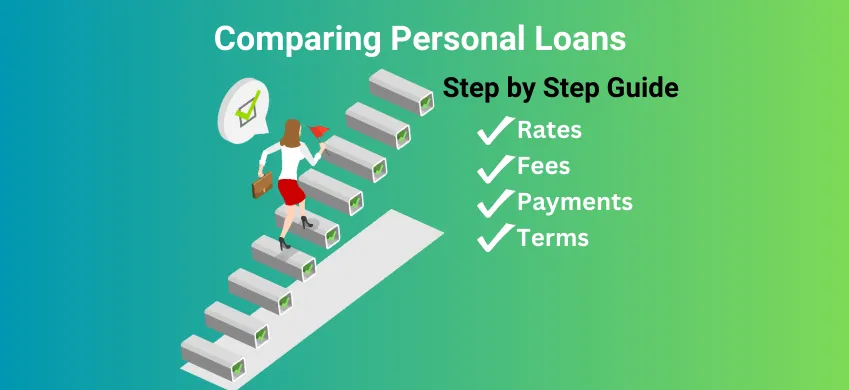
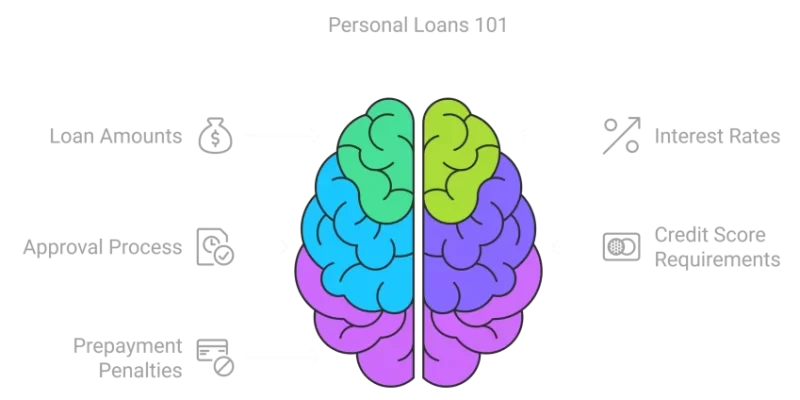
When you’re comparing options, look at the annual percentage rate (APR), not just the interest rate. The APR includes fees and gives you a more accurate picture of the loan’s total cost. Also check whether the lender charges prepayment penalties if you want to pay off the loan early.
For business owners with credit challenges, exploring various business financing options can provide the capital needed to grow or stabilize operations.
5. Consider Secured Loans as a Last Resort
If your credit or income doesn’t meet any lender’s unsecured loan requirements, a secured loan might be your best option. These loans are backed by collateral—an asset you own that the lender can seize if you default on the loan.
Common types of collateral include vehicles, savings accounts, certificates of deposit, or other valuable assets. Because the lender has a way to recover their money if you don’t pay, they take on less risk. This usually translates to lower interest rates and more favorable terms than unsecured loans for bad credit borrowers.
Secured loans also provide an opportunity to rebuild credit. Since they’re easier to qualify for, you can establish a positive payment history that gradually improves your credit score. Just make sure you can afford the payments—losing your collateral can set you back even further financially.
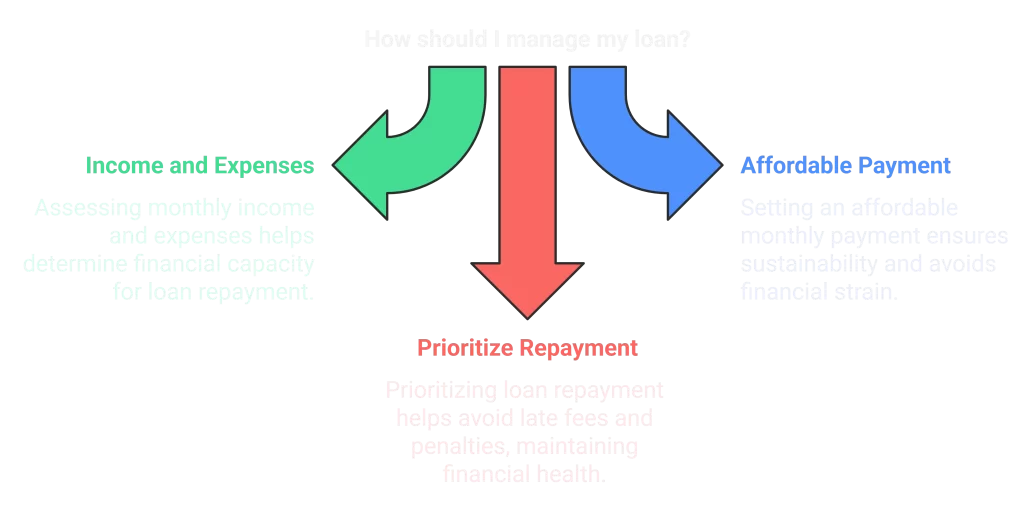
Before pledging an asset as collateral, honestly assess whether you can afford the loan payments. If there’s any doubt, it’s better to look for other options or wait until your financial situation improves.
Understanding how different loan structures work can help you choose the right option for your needs.
Taking Action to Improve Your Credit
While these five options can help you get a loan with bad credit, you should also work on improving your credit score for the future. Start by making all payments on time, every time. Set up automatic payments if you tend to forget due dates.
Pay down existing debts, focusing on accounts with the highest interest rates first. As your balances decrease, your credit utilization ratio improves, which helps your score.
Avoid applying for multiple loans or credit cards in a short period. Each application creates a hard inquiry on your credit report, which can temporarily lower your score. Space out applications and only apply when you’re reasonably confident you’ll be approved.
If you’re struggling with multiple debts, debt consolidation through a personal loan might simplify your finances and lower your overall interest costs.
Finding the Right Solution for Your Situation
Bad credit makes borrowing more difficult, but it doesn’t make it impossible. Each of these five options has advantages depending on your specific circumstances.
Credit unions work well if you have community ties or employer connections. Family and friends can help in genuine emergencies when you have a clear repayment plan. Co-signers open doors to better rates and terms. Online personal loan lenders provide quick access to funds with flexible qualification criteria. Secured loans offer approval when nothing else works.
The best choice depends on how much you need to borrow, how quickly you need the money, and what you can realistically afford to repay. Take time to compare options, read loan terms carefully, and calculate the total cost before committing.
Remember that any loan you take should improve your financial situation, not make it worse. Borrow only what you need and can afford to repay. With responsible borrowing and consistent on-time payments, you can meet your immediate needs while gradually rebuilding your credit for the future.
When you’re ready to explore your options, start your loan with GetMoney.com to connect with lenders who work with all credit types.
—
Disclaimer
This article is provided for informational purposes only and does not constitute financial advice. The information presented should not be considered a recommendation or endorsement of any particular lender, loan product, or financial strategy. Loan terms, interest rates, fees, and availability vary by lender and depend on individual circumstances including credit history, income, and other factors.
Before making any financial decisions or applying for a loan, you should carefully evaluate your personal financial situation and consult with qualified financial professionals who can provide advice tailored to your specific needs. GetMoney.com is a loan connection service and does not make lending decisions. By using this information, you acknowledge that any financial decisions you make are your sole responsibility.